
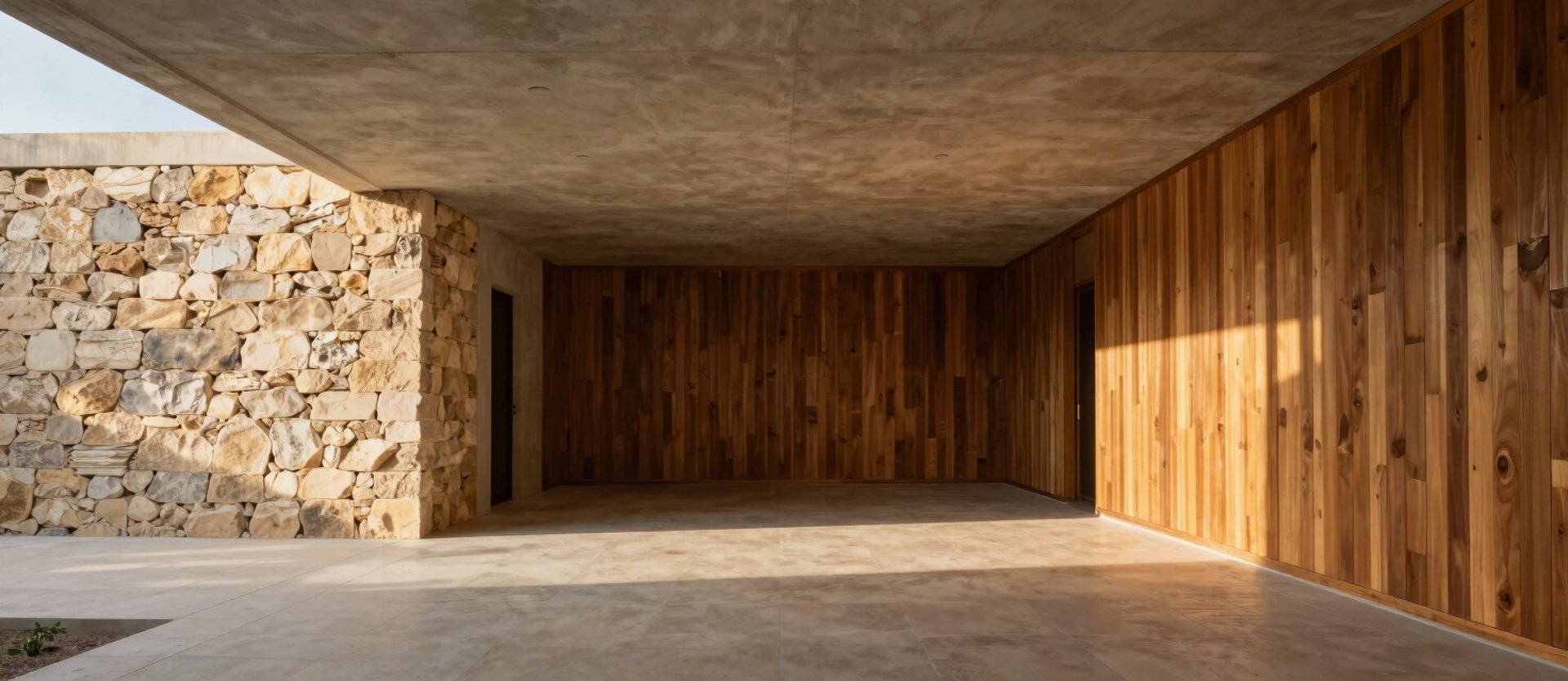
Where the building ends, the interior continues.
Ethra designs interiors from the inside of the structural logic outward — material, sequence, and detail resolved against the same set of constraints that shaped the building.
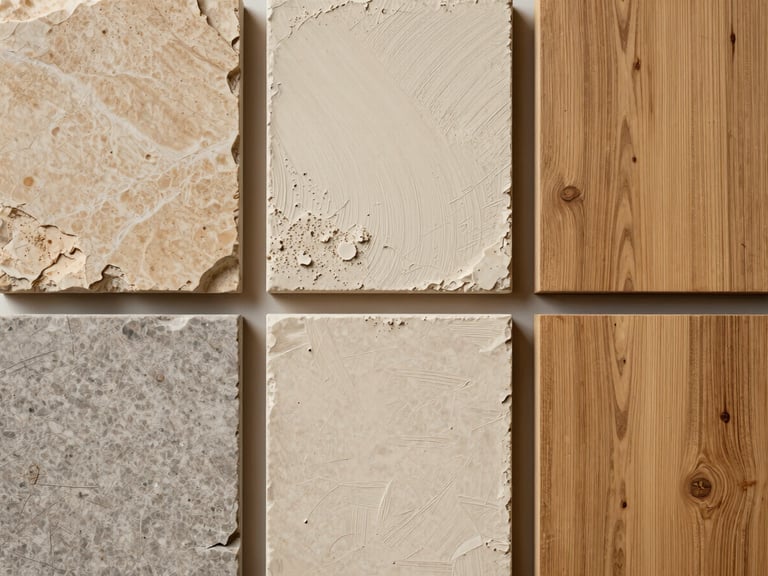
Chosen for how they age here.
Stone, plaster, and timber are selected against Jordan's specific climate, craft supply chain, and the way light moves through Amman's built fabric — not imported from a generic material library.
Each specification traces back to a structural or spatial decision made earlier in the project. The material palette and the building are the same argument.
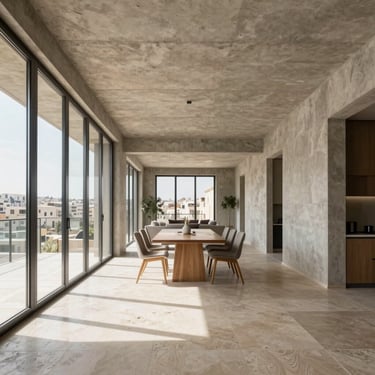
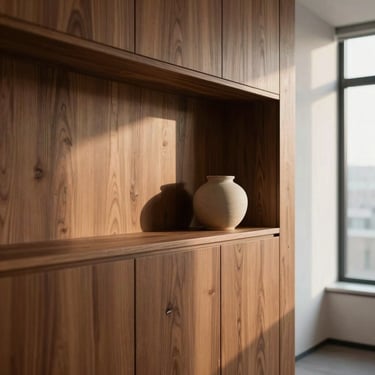
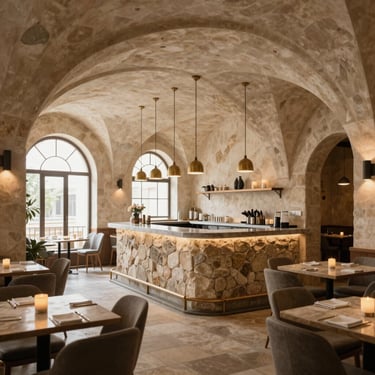
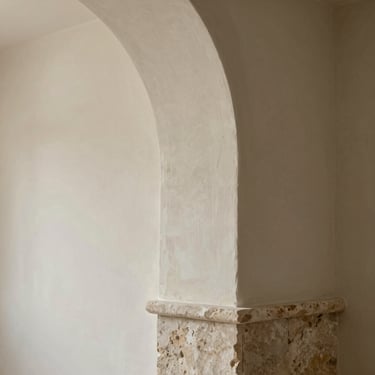
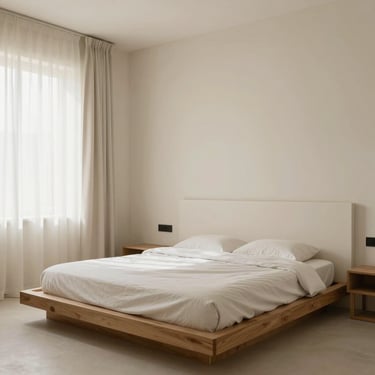
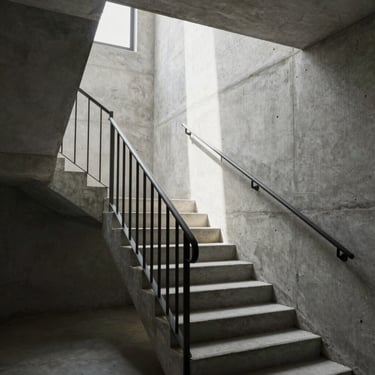
Completed work, in context.
Detail drawings and supplier coordination are not extras.
Ethra's interior scope includes full specification packages, joinery and fixture detail drawings, and direct coordination with local fabricators and suppliers — delivered as part of every commission, not billed separately.
That means the contractor receives buildable information. What gets constructed matches what was drawn. The gap between intent and outcome is where most interior projects lose resolution — our process closes it.